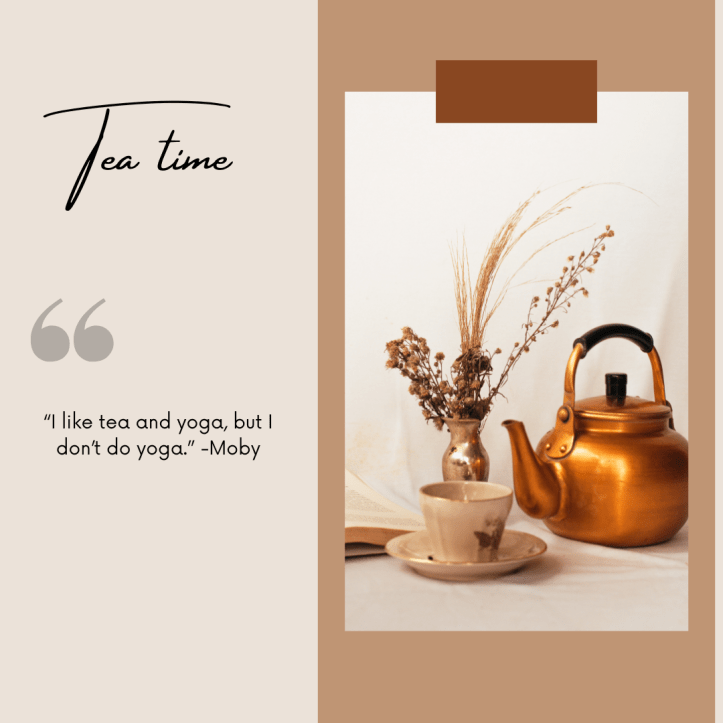
Tea is more than just a drink-it’s a ritual, a comfort, and for many, a quiet anchor in the day. Whether it’s the first steaming mug in the morning or a calming cup before bed, tea has a way of fitting seamlessly into our routines while offering a moment of pause in an otherwise busy world
At its core, tea comes from the leaves of the Camellia sinensis plant, yet the variety it produces is astonishing. From the bold, malty richness of black tea to the grassy freshness of green tea, the delicate floral notes of white tea, and the earthy depth of pu-erh, each type tells a different story. The differences arise from how the leaves are processed-oxidized, dried, rolled, or aged-transforming a single plant into an entire spectrum of flavors and aromas.
Beyond traditional teas, herbal infusions expand the experience even further. Chamomile soothes, peppermint refreshes, and rooibos offers a naturally caffeine-free alternative with a smooth, slightly sweet profile. While technically not “tea” in the strict sense, these blends have become staples in homes around the world, often chosen as much for their perceived wellness benefits as for their taste.
Tea culture itself is as diverse as the drink. In some places, it’s a formal ceremony, steeped in centuries of tradition and mindfulness.
In others, it’s a social cornerstone-shared over conversation, poured generously for guests, or paired with food. Even something as simple as adding milk, sugar, lemon, or spices can completely reshape the experience, turning tea into a deeply personal expression of taste.
There’s also something uniquely adaptable about tea. It can be strong and invigorating or light and subtle. It can be served piping hot on a cold day or poured over ice when the weather turns warm.
It can be brewed quickly in a teabag or prepared slowly with loose leaves, a teapot, and careful attention to temperature and timing.
In a fast-paced, hyper-connected world, tea offers a small but meaningful invitation: slow down. The act of boiling water, waiting for leaves to steep, and taking that first sip creates a natural break
-a chance to reset, reflect, or simply breathe.
Perhaps that’s why tea has endured for thousands of years. Not just because it tastes good, but because it offers something we often forget we need: a moment of stillness, held in a cup.